
Child Custody Attorney
Conroe, TX & Montgomery County
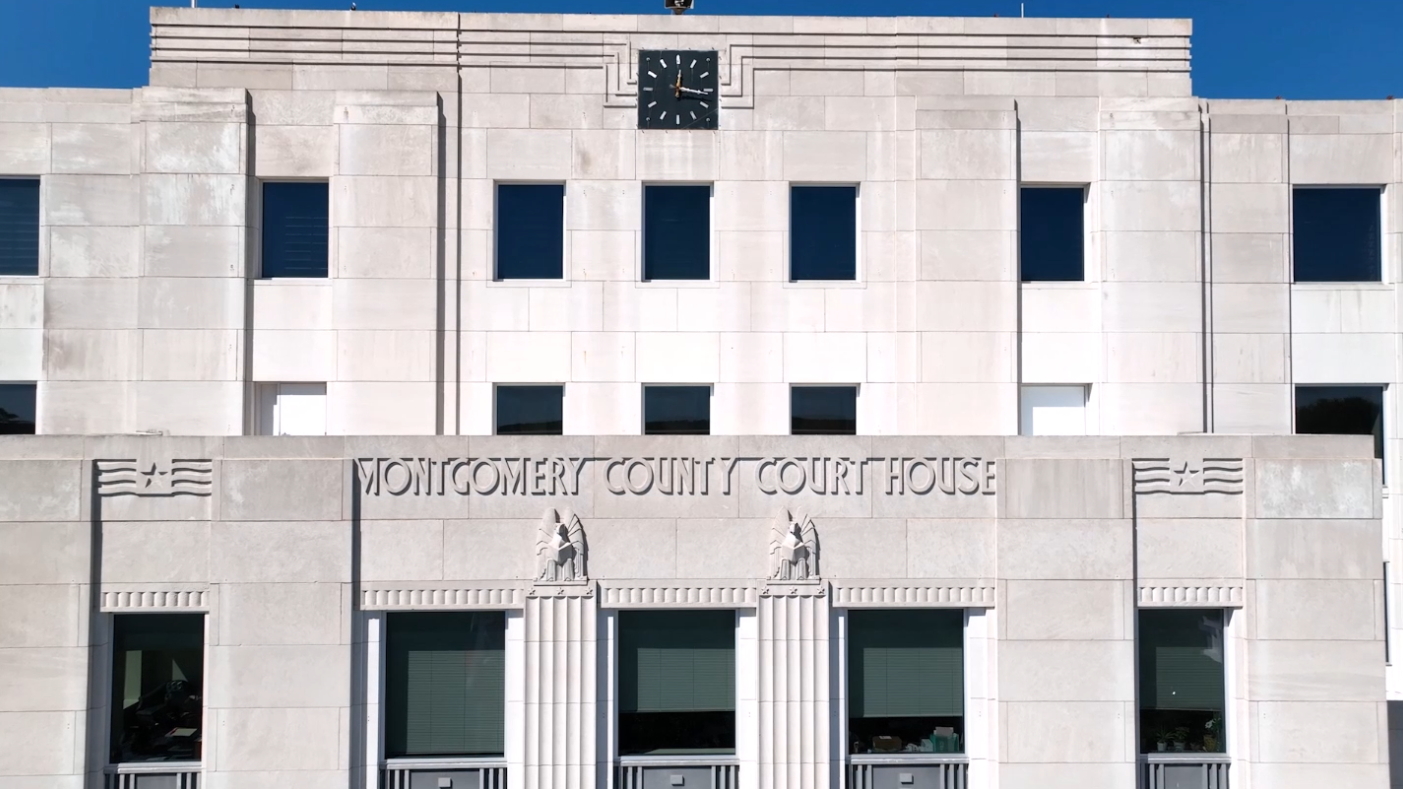
Child custody is the most important issue in any family law case. Our child custody attorney Conroe TX is based downtown — steps from the Montgomery County Family Law Courts. We represent parents in the 418th, 410th, and County Court at Law No. 3. Free consultations.
Child Custody Attorney Conroe TX — Protecting Your Rights in the Montgomery County Courts
Three local family law courts decide child custody cases in Conroe and Montgomery County — the 418th District Court, the 410th District Court, and County Court at Law No. 3. Our child custody attorney Conroe TX office sits at 141 N. San Jacinto Street in downtown Conroe — steps from the Montgomery County Courthouse. We appear in all three courts on a regular basis and know how each one handles contested custody matters, possession schedules, and modification proceedings.
Texas frames child custody around two distinct concepts: conservatorship — who holds the legal right to make decisions for the child — and possession and access, which sets the physical schedule each parent follows. The Standard Possession Order lays down a baseline, yet Montgomery County courts may depart from it based on the best interest of the child, each parent's circumstances, and the child's particular needs.
Our child custody attorney Conroe TX manages initial custody orders in divorce and SAPCR proceedings, contested custody modifications when circumstances shift, emergency custody matters, and enforcement actions when a parent breaks an existing order. Attorney Keith Phillips's experience as a former CPS caseworker gives him firsthand insight into cases touching on child welfare concerns, protective orders, or agency involvement — a genuine advantage in Montgomery County custody proceedings.
We stand for parents in child custody, divorce, and every family law matter across Conroe and Montgomery County. Free consultations available.
- Initial custody orders — divorce & SAPCR
- Joint & sole managing conservatorship
- Standard & Expanded Possession Orders
- Contested custody hearings
- Custody modification petitions
- Emergency custody orders
- Enforcement of custody orders
- Relocation & move-away cases
- Interstate custody — UCCJEA
- Cases with CPS involvement
Child Custody Attorney Conroe TX — Conservatorship, Possession & the Best Interest Standard
Three pillars form the foundation of Texas child custody law. Grasping each one — and how Montgomery County courts apply them — is where custody cases are won or lost.
Texas relies on conservatorship instead of legal custody. Joint managing conservatorship — the default — has both parents sharing decision-making rights over education, healthcare, and major decisions, with one designated to establish the child's primary residence. Sole managing conservatorship gives one parent exclusive rights and is awarded when joint conservatorship would significantly impair the child's welfare — usually where there is a history of family violence, substance abuse, or an inability to cooperate.
The possession order sets where the child lives and when each parent has time. The Standard Possession Order lays out a baseline schedule — usually 1st, 3rd, and 5th weekends, Thursday evenings, alternating holidays, and extended summer time for the non-primary parent. Courts may grant the Expanded SPO, which starts possession at school dismissal rather than 6:00 PM, or fully customized schedules shaped by the child's best interest and each parent's work schedules.
Every Montgomery County custody decision is governed by the best interest of the child under TFC §153.002. Courts weigh each parent's stability and involvement, the child's current routine and established relationships, any history of family violence or substance abuse, the child's preferences if 12 or older, and each parent's willingness to support the child's relationship with the other parent. Building the right evidentiary record on these factors — starting at the very first hearing — is where our child custody attorney Conroe TX concentrates from day one.
Child Custody Attorney Conroe TX — Rooted in Montgomery County
Conroe is the county seat of Montgomery County — and the Birthplace of the Lone Star Flag. We are a downtown Conroe firm, not a Houston firm that shows up in Montgomery County now and then. Our office sits steps from the Montgomery County Family Law Courts, where every custody case in this county is decided.

Our office stands at 141 N. San Jacinto Street in Conroe — steps from the Montgomery County Family Law Courts. We appear regularly in the 418th, 410th, and County Court at Law No. 3. We are not a Houston firm that drops into Montgomery County on occasion. This is our home court.
Attorney Keith Phillips has practiced family law in Montgomery County since 2016 — more than a decade appearing before the same courts, assembling the evidentiary record needed to protect parental rights and secure possession arrangements that serve the children's best interests.
Before he became a licensed attorney and mediator, Attorney Keith Phillips worked as a CPS caseworker. He offers firsthand insight into how courts and agencies assess child welfare — a real advantage in contested custody cases, matters with protective concerns, or any proceeding involving agency involvement.
Keith Phillips is also a licensed mediator — he knows precisely how custody mediations play out and how to position your case for the best negotiated outcome before you ever set foot in a courtroom. Most Montgomery County custody cases settle through mediation, so being ready for both outcomes is not optional.
Child custody is not a side project. Family law is our practice — which means concentrated expertise in Texas conservatorship, possession schedules, geographic restrictions, modifications, and enforcement. Not a generalist squeezing custody in between corporate transactions.
You deal directly with your attorney — not a paralegal or associate who passes your case along. Your calls get returned, your questions get answered, and your case is understood at every stage by the attorney who will actually stand up in court on your behalf.
Child Custody Attorney Conroe TX — Standard vs. Expanded Possession Order
Texas law offers the noncustodial parent two possession schedule choices. Most orders fall back to the Standard Possession Order — but the Expanded SPO provides significantly more time and must be affirmatively elected in writing. This is one of the most commonly overlooked details in Montgomery County custody cases.
The default possession schedule when the parents live within 100 miles of each other. Transfers happen at 6:00 PM on the first day of possession.
- 1st, 3rd, and 5th weekends — Friday 6:00 PM to Sunday 6:00 PM
- Thursday evenings during the school year — 6:00 PM to 8:00 PM
- Alternating holidays including Thanksgiving, Christmas, spring break
- 30 days of summer possession
- Father's Day / Mother's Day weekends
The Expanded SPO grants the noncustodial parent significantly more time — transfers start at school dismissal instead of 6:00 PM. Must be elected in writing.
- Weekend possession begins at school dismissal Friday — not 6:00 PM
- Weekend possession ends when school resumes Monday morning
- Thursday possession begins at school dismissal — ends at school resumption Friday
- Summer possession may extend to 42 days
- Must be elected in writing at or within 30 days of the final order
The Expanded SPO is not automatic. The noncustodial parent has to make a written election at the time of the final order or within 30 days. Missing this window means defaulting to the Standard SPO permanently — it cannot be applied retroactively.
- Election must be in writing
- Must be made at or within 30 days of the final order
- Applies prospectively — not retroactively
- Must be addressed in mediation or at final trial
Montgomery County family courts routinely confine the child's primary residence to Montgomery County and contiguous counties — Harris, Walker, San Jacinto, Waller, and Grimes. Moving beyond this area without court approval or the other parent's written consent is a violation and can result in:
- Contempt of court proceedings
- Emergency custody hearing
- Modification of primary custody
- Attorney's fee award to the complying parent
Child Custody Attorney Conroe TX — Modifications & Enforcement
Texas permits custody modifications when there has been a material and substantial change in circumstances since the last order. Common qualifying changes include:
- A parent relocating outside the geographic restriction
- A significant change in either parent's work schedule or income
- A new safety concern — domestic violence, substance abuse, neglect
- Changes in the child's school, healthcare, or developmental needs
- Documented parental alienation
- A parent's remarriage that materially affects the child's environment
As a rule, Montgomery County courts will not consider a modification filed within one year of the original order — unless the child's present environment poses a danger, or the primary parent has voluntarily given up care for at least six months. When both parents agree, a modification can proceed at any time.
When a parent breaks a custody order — withholding possession time, failing to return a child, relocating without notice, or interfering with the other parent's rights — Texas courts hold strong enforcement tools:
- Contempt of court — civil or criminal, with fines and possible incarceration
- Make-up possession time awarded to the complying parent
- Attorney's fees awarded against the violating parent
- In serious or repeated cases — modification of primary custody
- Emergency custody orders when the child's safety is at risk
Record every violation — dates, times, what happened, and any communications. Reach out to our child custody attorney Conroe TX promptly. Enforcement actions move faster when the evidence is fresh and the pattern is established early.
Speak With a Child Custody Attorney Conroe TX
Our child custody attorney Conroe TX works downtown — steps from the Montgomery County Family Law Courts. Free consultations are available for every custody matter in the 418th, 410th, and County Court at Law No. 3.
(936) 298-8000Child Custody Attorney Conroe TX — FAQ
Child Custody Basics — Conroe TX
How Texas custody law works and what courts consider in Montgomery County.
Texas relies on conservatorship rather than legal custody. Conservatorship covers the right to make decisions about a child's education, healthcare, and welfare. Possession and access covers where the child lives and when each parent has time with the child.
Joint managing conservatorship (JMC) — the Texas default — has both parents sharing decision-making rights, with one designated to establish the child's primary residence. Sole managing conservatorship (SMC) gives one parent exclusive decision-making rights and is awarded where joint conservatorship would significantly impair the child's welfare.
Montgomery County family courts apply the best interest of the child standard under TFC §153.002. Courts weigh:
- Each parent's day-to-day involvement in the child's life
- Stability and quality of each home environment
- The child's existing relationships with siblings and extended family
- Each parent's physical and mental health
- Any history of family violence, substance abuse, or neglect
- Each parent's willingness to support the child's relationship with the other parent
- For children 12 and older — the child's expressed preference
Texas law is gender-neutral. Fathers and mothers are judged on equal footing.
Yes. Texas law expressly forbids courts from applying any gender preference in custody decisions. A father can be named the parent with the right to establish primary residence when the evidence supports that arrangement. Outcomes rest entirely on each parent's involvement, stability, and ability to meet the child's needs — not on gender.
Possession Schedule — Child Custody Attorney Conroe TX
Standard vs. Expanded SPO — and why the election timing matters in Montgomery County.
The Expanded Standard Possession Order (ESPO) under TFC §153.317 grants the noncustodial parent significantly more time. Weekend possession starts at Friday school dismissal rather than 6:00 PM and ends when school resumes Monday morning. Thursday possession starts at school dismissal. Summer may extend to 42 days.
The Expanded SPO must be elected in writing at or within 30 days of the final order under TFC §153.3171 — it does not apply automatically. Missing that window means defaulting to the Standard SPO permanently. Our child custody attorney Conroe TX addresses this election proactively at the time of your final order.
A child who is 12 years of age or older may file a written statement with the court expressing a preference about which parent should establish primary residence. The court must consider that preference but is not bound to follow it — the best interest standard governs. A younger child's preference may also be weighed if the court finds the child sufficiently mature.
Custody Modifications — Child Custody Attorney Conroe TX
When and how Montgomery County custody orders can be changed.
Texas permits custody modifications when there has been a material and substantial change in circumstances since the last order and the modification serves the best interest of the child. Generally courts will not consider a modification filed within one year of the original order unless:
- The child's present environment presents immediate danger to physical or emotional health
- The primary conservator has voluntarily relinquished primary care for at least six months
When both parents agree, a modification can proceed at any time, regardless of when the original order was entered.
Enforcement — Child Custody Attorney Conroe TX
What happens when the other parent violates a Montgomery County custody order.
Record every violation — dates, times, what happened, and any communications. Then contact our child custody attorney Conroe TX promptly. Texas courts can:
- Hold the violating parent in contempt — with fines and possible incarceration
- Award make-up possession time to the complying parent
- Require the violating parent to pay your attorney's fees
- In serious or repeated cases — modify primary custody to the complying parent
Acting swiftly and with documented evidence gives you the strongest position in enforcement proceedings in Montgomery County.
Relocation — Child Custody Attorney Conroe TX
Moving with a child after a Montgomery County custody order.
Most Montgomery County custody orders include a geographic restriction confining the primary parent's residence to Montgomery County and contiguous counties — Harris, Walker, San Jacinto, Waller, and Grimes. Relocating outside that area without court approval or the other parent's written consent violates the order and can result in:
- Contempt of court proceedings
- Emergency custody hearing
- Modification of primary custody
- Attorney's fee award against you
If you need to relocate — or if the other parent is trying to move your child — contact our child custody attorney Conroe TX before any action is taken.
Meet Our Team at the Law Office of Keith Phillips

Keith became a licensed mediator in 2020, and that perspective shapes how he approaches every case — focused on practical, efficient resolution while fully prepared to litigate when necessary. He is a father of five.

Behind the scenes, Kaitlyn is the one making sure nothing falls through the cracks — preparing documents, coordinating discovery, and tracking every deadline — so clients can focus on their families while she handles the details. What clients remember most is simply how heard she made them feel.

Family Law
Family Law Overview Divorce Uncontested Divorce Child Custody Child Support Property Division Spousal Maintenance Prenuptial Agreements Grandparents' Rights Adoption PaternityOur Firm
About Us FAQ Blog Contact UsOffice Hours
Mon–Fri: 8:30 AM – 5:00 PM Sat–Sun: By AppointmentMontgomery County
Conroe The Woodlands Spring Shenandoah / Oak Ridge North Magnolia / Montgomery Willis / New CaneyDivorce
Divorce — Conroe Divorce — HoustonCopyright © Law Office of Keith Phillips · All Rights Reserved
Attorney advertising. Law Office of Keith Phillips is a Texas law firm. The information on this website is for general informational purposes only and does not constitute legal advice or establish an attorney-client relationship. Prior results do not guarantee similar outcomes. Keith Phillips (TX Bar 2016) is the attorney responsible for this content.